
An overbite, one of the most common orthodontic conditions, affects millions of individuals seeking a confident, healthy smile. Traditionally addressed through metal braces, modern dental technology now offers a discreet alternative: clear aligners. These transparent, removable orthodontic devices have revolutionized overbite correction, providing effective treatment without the aesthetic concerns associated with conventional braces. Understanding how clear aligners work for overbite correction, their advantages, and what to expect during treatment empowers patients to make informed decisions about their orthodontic care. Whether you’re an adult professional seeking subtle treatment or a teen wanting a less noticeable option, clear aligners present a compelling solution for achieving proper dental alignment and optimal oral health.

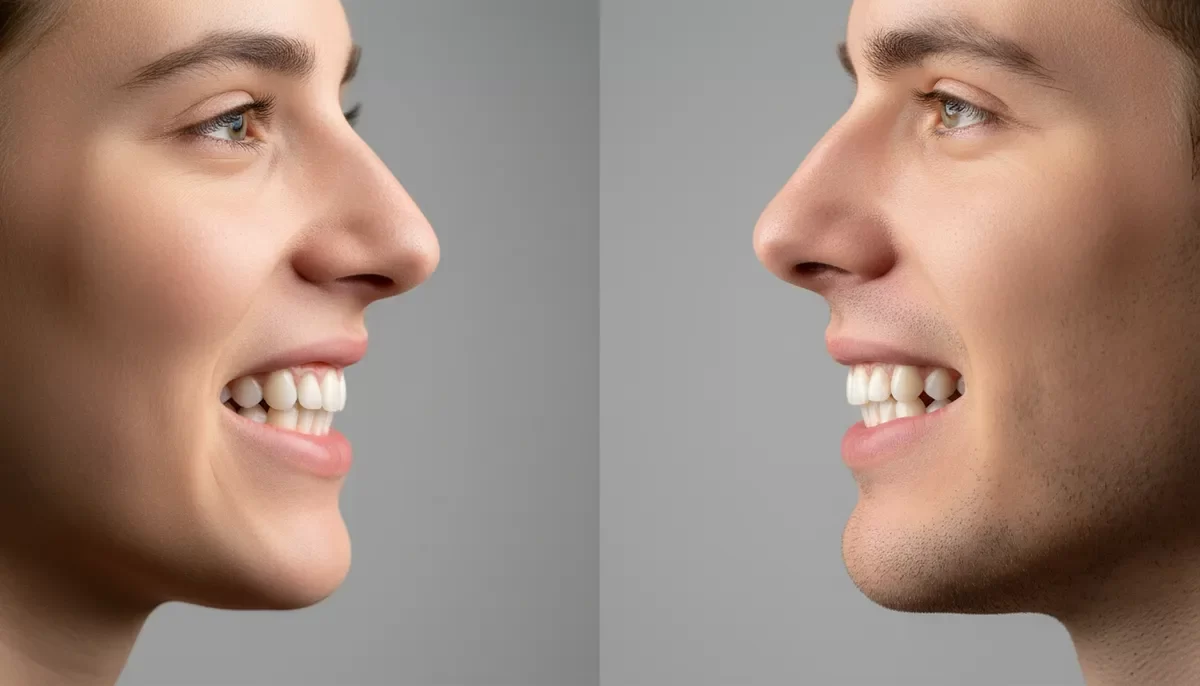
An overbite occurs when the upper front teeth overlap the lower front teeth excessively. While a slight overbite is normal and even desirable for proper dental function, excessive vertical overlap can lead to various complications. The American Association of Orthodontists recognizes overbites as one of the most frequently treated malocclusions, affecting both children and adults across all demographics.
Severe overbites can cause numerous problems beyond aesthetics. Patients may experience difficulty chewing, jaw pain, speech impediments, and increased wear on tooth enamel. Additionally, overbites can contribute to temporomandibular joint (TMJ) disorders, causing chronic discomfort and headaches. The psychological impact should not be underestimated either, as individuals with pronounced overbites often feel self-conscious about their appearance, affecting confidence in social and professional settings.
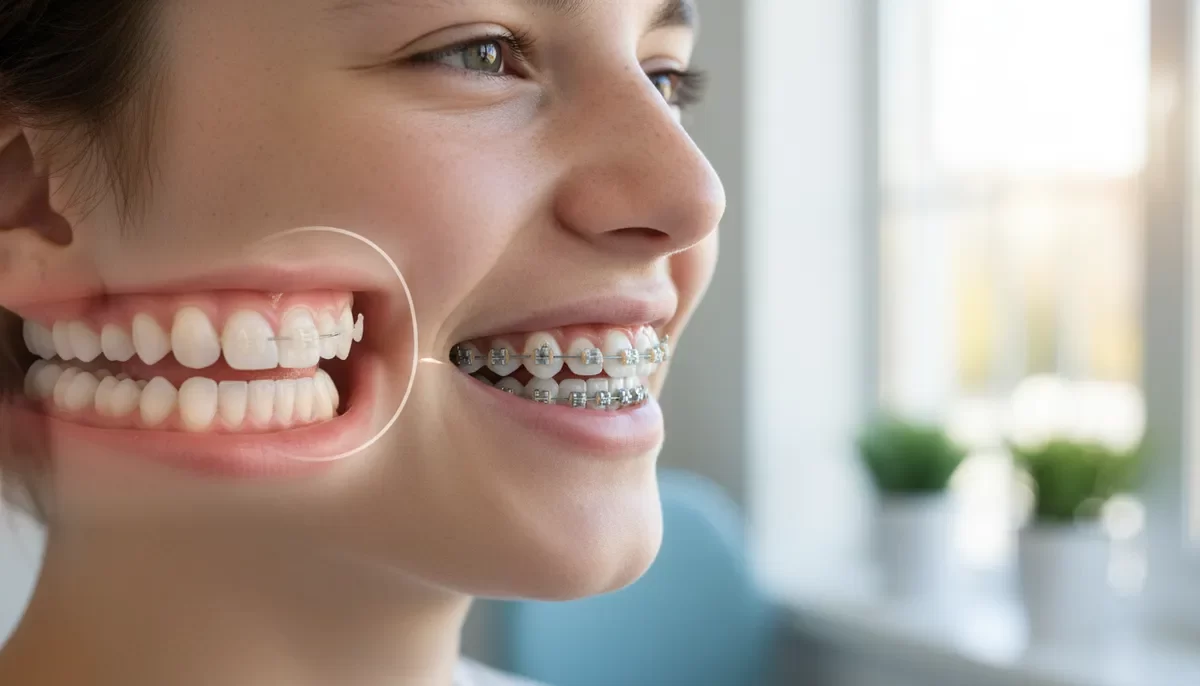
Early identification and treatment of overbites prevent these complications from worsening. Modern orthodontic assessment techniques allow specialists to measure the severity of an overbite accurately and recommend appropriate treatment options. Clear aligners have emerged as an effective solution for mild to moderate overbites, offering results comparable to traditional braces in many cases.
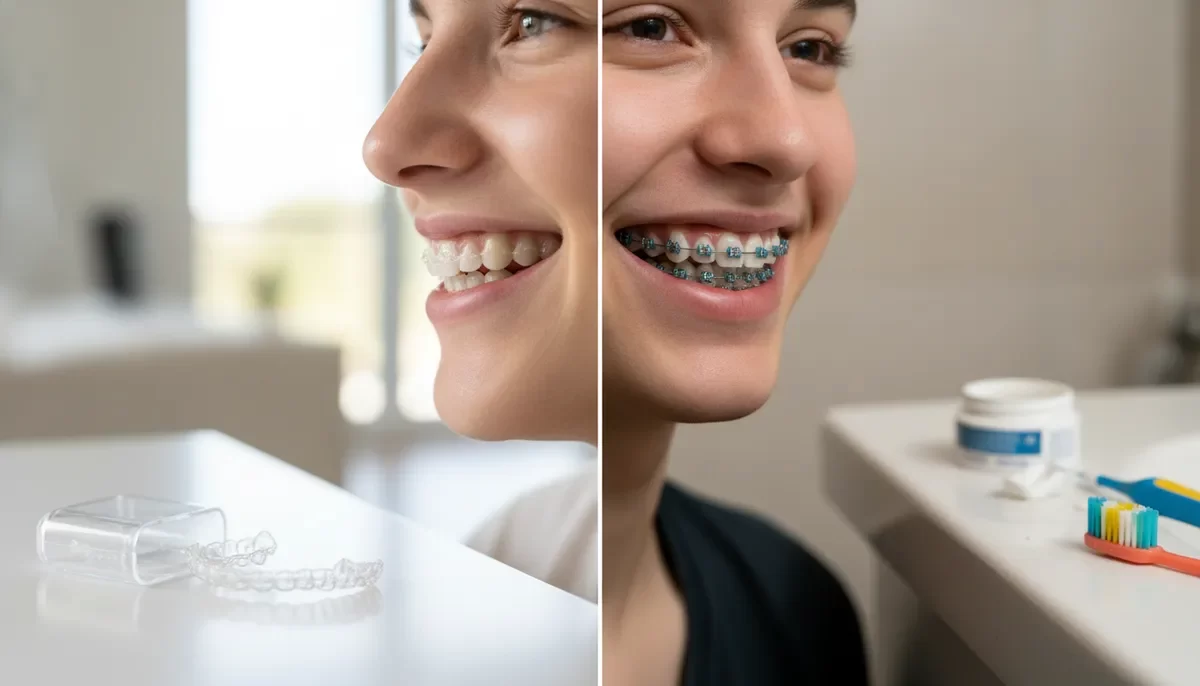
Clear aligners utilize advanced biomechanical principles to gradually reposition teeth and correct bite alignment. These custom-fabricated trays are manufactured using 3D imaging technology that maps the precise movement needed to achieve optimal dental positioning. Each set of aligners applies controlled pressure to specific teeth, encouraging them to shift incrementally over time.
For overbite correction, clear aligners work through several mechanisms:
The treatment plan is digitally designed before fabrication begins, allowing patients to visualize their expected results. This predictive technology enables orthodontists to refine the approach and ensure optimal outcomes. At Neighborhood Orthodontics, Dr. Ryan Ricafort utilizes state-of-the-art digital planning to create personalized treatment strategies that address each patient’s unique overbite characteristics.
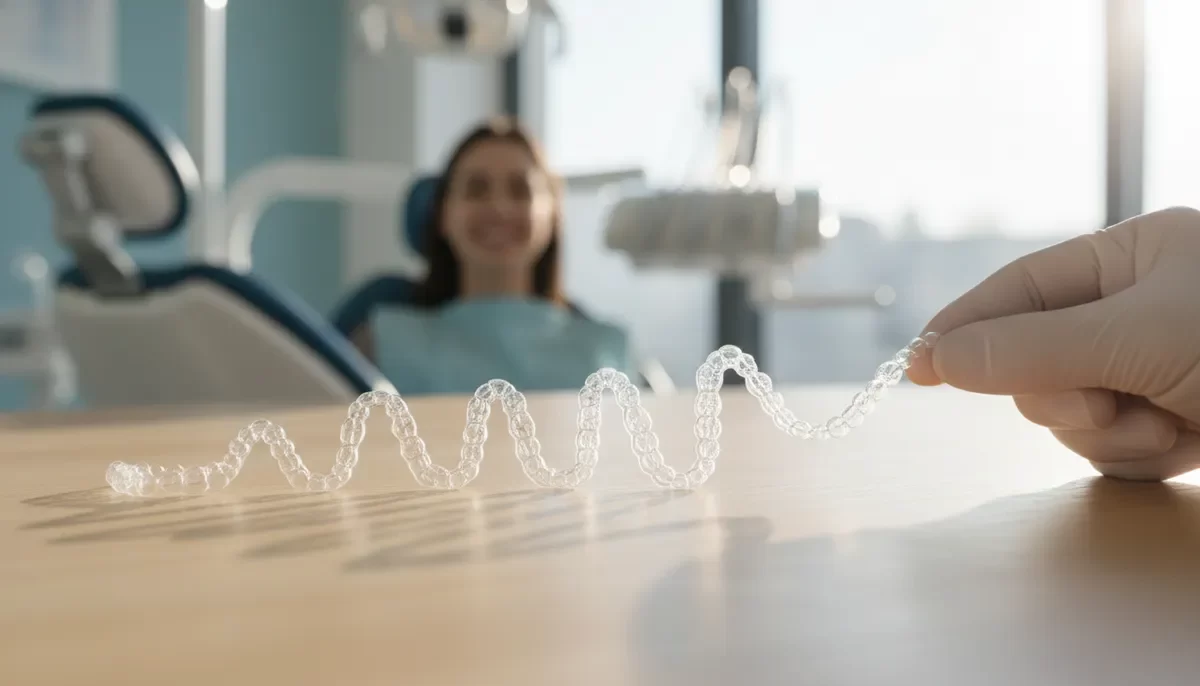
Clear aligners offer numerous benefits that make them an attractive option for overbite correction. The most obvious advantage is their aesthetic appeal—these transparent trays are virtually invisible when worn, allowing patients to undergo orthodontic treatment without drawing attention to their teeth. This discrete nature particularly appeals to adults and teenagers who prioritize appearance during treatment.
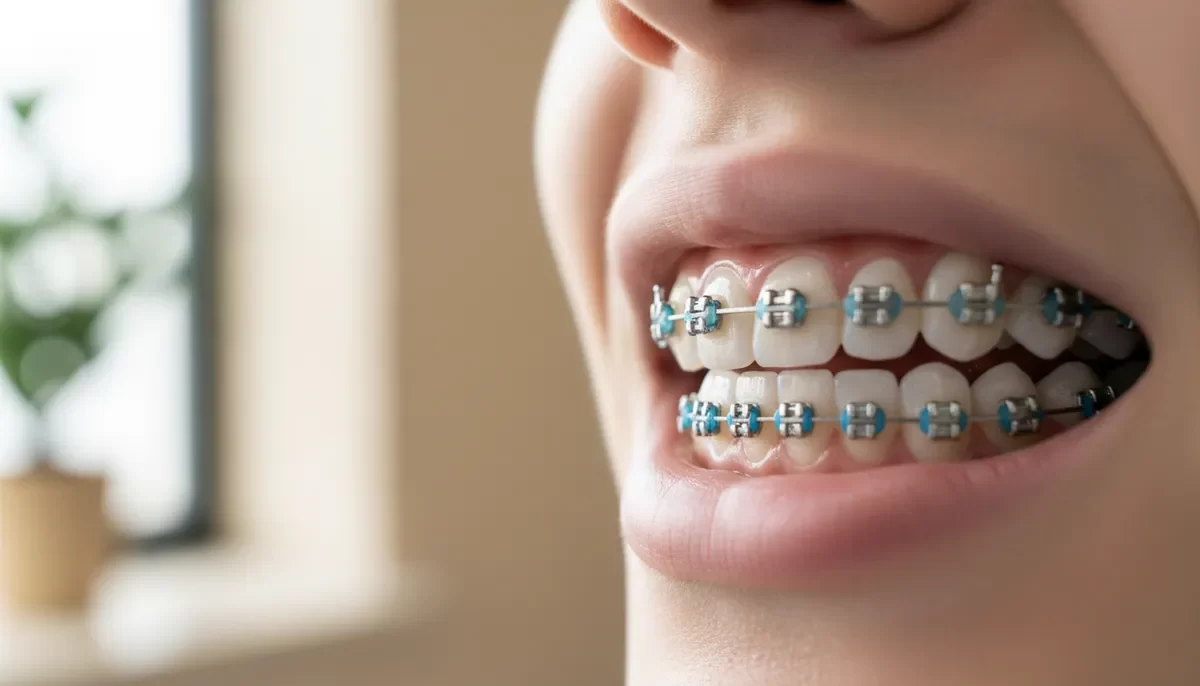
Removability represents another significant advantage. Unlike traditional braces that are bonded to teeth throughout treatment, clear aligners can be removed for eating, drinking, brushing, and flossing. This feature promotes better oral hygiene, as patients can maintain their regular cleaning routine without navigating around brackets and wires. The American Dental Association emphasizes that proper oral hygiene during orthodontic treatment is crucial for preventing tooth decay and gum disease.
Comfort is another key benefit. Clear aligners are manufactured from smooth plastic materials that don’t irritate the soft tissues of the mouth like metal brackets can. Patients typically experience less discomfort during treatment, though some pressure is normal as teeth move into their corrected positions. Additionally, clear aligner treatment requires fewer office visits than traditional braces, as patients receive multiple sets of aligners at once and change them at home according to their prescribed schedule.
Beginning clear aligner treatment for overbite correction involves several structured steps. The process starts with a comprehensive orthodontic evaluation, during which the specialist assesses the severity of the overbite, overall dental health, and suitability for clear aligner therapy. Digital impressions or physical molds capture the exact dimensions of the patient’s teeth and jaw structure.
Using advanced 3D modeling software, the orthodontist creates a detailed treatment plan showing the progressive movement of teeth from their current position to the desired final alignment. This digital simulation allows patients to see their projected results before treatment begins, providing clarity about the journey ahead. Once approved, the custom aligners are manufactured according to these precise specifications.
Treatment duration varies based on overbite severity, typically ranging from six months to two years. Patients wear each set of aligners for approximately one to two weeks before progressing to the next set in the series. Compliance is critical—aligners should be worn 20-22 hours daily for optimal results. Regular check-ups, usually every 6-8 weeks, ensure treatment progresses as planned and allow for adjustments if needed.
Proper maintenance of clear aligners ensures treatment effectiveness and hygiene. Patients should clean their aligners daily using a soft toothbrush and mild soap or specialized cleaning solutions. Avoiding hot water is essential, as heat can warp the plastic and compromise fit. Before reinserting aligners, teeth should be thoroughly brushed and flossed to prevent trapping food particles and bacteria against tooth surfaces.
Dietary considerations differ from traditional braces since aligners are removable. However, patients should remove aligners before consuming anything except water to prevent staining and damage. Sugary or acidic beverages are particularly problematic if consumed with aligners in place, as they create an environment conducive to tooth decay.
While clear aligners effectively treat many overbite cases, they are not suitable for everyone. Mild to moderate overbites respond best to clear aligner therapy, whereas severe skeletal overbites may require traditional braces or even surgical intervention. The orthodontist evaluates factors including overbite severity, tooth rotation complexity, and patient age when determining candidacy.
Patient compliance significantly influences treatment success. Since aligners are removable, individuals must demonstrate the discipline to wear them consistently. Teenagers and adults who commit to the prescribed wearing schedule achieve excellent results, while those who frequently remove aligners may experience delayed progress or compromised outcomes. If you’re considering Clear Aligners for your overbite, discussing your lifestyle and commitment level with your orthodontist helps set realistic expectations.
Certain dental conditions may preclude clear aligner treatment. Patients with severe gum disease, extensive tooth decay, or missing teeth might need to address these issues before beginning orthodontic correction. Additionally, individuals with temporomandibular joint disorders may require specialized treatment approaches that combine clear aligners with other therapeutic interventions.
Completing clear aligner treatment marks an important milestone, but maintaining results requires ongoing retention. After teeth reach their corrected positions, they naturally tend to shift back toward their original alignment—a phenomenon called orthodontic relapse. Retention devices prevent this unwanted movement and preserve the investment made in orthodontic treatment.
Most patients transition to wearing retainers full-time immediately after completing aligner therapy, then gradually reduce wearing time to nights only. Some individuals may eventually wear retainers just a few nights weekly, though many orthodontists recommend indefinite nighttime retention for optimal long-term stability. For more information about maintaining your results, explore options for Retainers that suit your lifestyle.
Clear aligner treatment costs vary based on case complexity, treatment duration, and geographic location. Generally, prices range from $3,000 to $8,000, comparable to traditional braces. Many orthodontic practices offer flexible payment plans that make treatment more accessible by spreading costs over the treatment period.
Insurance coverage for clear aligners has improved significantly as these devices have become mainstream. Many dental insurance plans that cover orthodontic treatment now include clear aligners with coverage limits similar to traditional braces. Patients should verify their specific benefits and understand any lifetime maximums for orthodontic care. Some practices also accept health savings accounts (HSA) and flexible spending accounts (FSA) for orthodontic expenses.
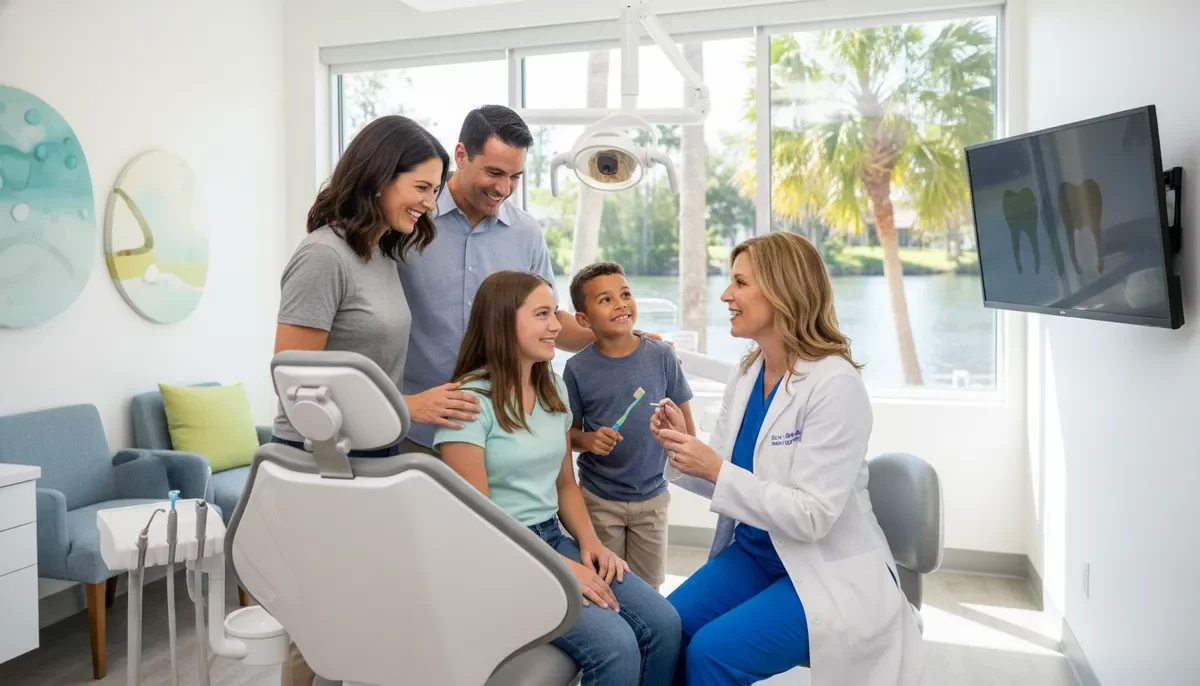
Selecting an experienced orthodontist is crucial for successful overbite correction with clear aligners. Board-certified orthodontists possess specialized training in tooth movement and facial development, making them uniquely qualified to manage complex cases. The American Orthodontic Society provides resources for finding qualified specialists in your area.
During your initial consultation, evaluate the provider’s experience with clear aligner therapy, particularly for overbite correction. Ask about their success rates, treatment philosophy, and approach to handling complications. A thorough examination should include digital imaging, bite analysis, and a detailed discussion of your treatment goals and expectations. Don’t hesitate to Visit us on Google to read patient reviews and learn about others’ experiences.
Clear aligners represent a revolutionary approach to overbite correction, combining effectiveness with aesthetics and convenience. These transparent orthodontic devices offer adults and teens a discreet path to achieving proper dental alignment and a confident smile. While not suitable for every case, clear aligners successfully treat mild to moderate overbites through precise, controlled tooth movement guided by advanced digital technology.
The journey to correcting an overbite requires commitment, patience, and partnership with a skilled orthodontic provider. Understanding the process, maintaining proper care routines, and adhering to wearing schedules ensures optimal results. Post-treatment retention preserves the beautiful smile achieved through months of dedicated effort.
If you’re considering clear aligners for overbite correction, schedule a comprehensive consultation to determine your candidacy and explore personalized treatment options. With the right approach and professional guidance, you can achieve the healthy, aligned smile you’ve always desired. Ready to transform your smile? Contact Us today to schedule your consultation and discover how clear aligners can correct your overbite!
Q: Can clear aligners fix all types of overbites?
A: Clear aligners are highly effective for mild to moderate overbites, where the vertical overlap of the upper and lower teeth is not excessive. Severe overbites, particularly those involving skeletal jaw discrepancies, may require traditional braces or orthognathic surgery. A comprehensive orthodontic evaluation determines the most appropriate treatment approach for your specific case.
Q: How long does it take to correct an overbite with clear aligners?
A: Treatment duration varies based on overbite severity and individual factors, typically ranging from six months to two years. Mild cases may resolve in as little as six to twelve months, while more complex corrections require extended treatment. Patient compliance with wearing aligners 20-22 hours daily significantly influences the timeline and overall success of treatment.
Q: Are clear aligners painful when correcting an overbite?
A: Patients typically experience mild pressure or discomfort when switching to a new set of aligners, which indicates the teeth are moving as planned. This sensation usually subsides within a few days as teeth adjust to the new positioning. Clear aligners generally cause less discomfort than traditional braces since they lack metal brackets and wires that can irritate soft tissues.
Q: Will my overbite return after clear aligner treatment?
A: Without proper retention, teeth naturally tend to shift back toward their original positions—a phenomenon called orthodontic relapse. Wearing retainers as prescribed by your orthodontist is essential for maintaining treatment results. Most patients wear retainers full-time initially, then transition to nighttime wear indefinitely to preserve their corrected bite alignment.
Q: How much do clear aligners cost for overbite correction?
A: Clear aligner treatment for overbites typically costs between $3,000 and $8,000, depending on case complexity, treatment duration, and geographic location. Many orthodontic practices offer flexible payment plans to make treatment more affordable. Additionally, dental insurance plans that cover orthodontic care often provide benefits for clear aligners comparable to traditional braces coverage.
Copyright © 2025 Neighborhood Orthodontics. All Rights Reserved.
Web Design & Marketing by Brain Buzz Marketing
.svg)
.svg)
.svg)
.svg)
.svg)
.svg)
.svg)
.svg)
.svg)


.svg)
.svg)