

Considering a straighter smile without the look of metal? In 2025, clear orthodontic braces have become more advanced, discreet, and accessible, making them a popular choice for teens and adults. This comprehensive guide will explain what to expect from clear orthodontic braces, covering new technologies, the treatment process, pros and cons, and expert care tips. Discover the latest innovations, step-by-step treatment journey, cost factors, and practical advice so you can make an informed decision about your smile.
The Evolution of Clear Orthodontic Braces: What’s New in 2025?
The journey of clear orthodontic braces has been marked by remarkable progress, responding to patient demand for effective yet discreet teeth-straightening solutions. Over the past decade, these braces have transformed from niche alternatives to mainstream choices. In 2025, the landscape is defined by new technologies, advanced materials, and a significant shift toward customized, patient-centered care.
One of the most exciting developments in the realm of clear orthodontic braces is the evolution of materials. Traditional ceramic brackets have been enhanced with polycrystalline and hybrid compounds, resulting in brackets that are not only tougher but also better at resisting stains from coffee, tea, and other common culprits. This advancement means patients can maintain a clean, aesthetic look for the duration of their treatment, with less worry about discoloration.
2025 brings a wave of innovation that sets clear orthodontic braces apart from their predecessors. Self-ligating clear brackets have become more prevalent, reducing friction and minimizing the need for elastic ties. Tooth-colored archwires further improve discretion, blending seamlessly with natural teeth. Perhaps most notably, the advent of 3D-printed bracket customization allows orthodontists to design braces tailored to each patient’s unique dental anatomy. For those interested in the technology behind this personalization, Custom 3D-printed braces technology offers an in-depth look at how precision is transforming smiles.
Comfort has also improved significantly. Modern clear orthodontic braces feature smaller, smoother brackets and utilize advanced bonding adhesives that reduce gum and cheek irritation. In addition, AI-powered treatment planning tools are now standard in many practices. These digital systems analyze scans and predict tooth movement more accurately, often resulting in shorter treatment times and fewer in-person adjustments.
When compared to clear aligners and traditional metal braces, clear orthodontic braces offer a compelling blend of aesthetics and performance. Unlike aligners, which require patient discipline to wear consistently, clear braces are fixed and work around the clock. They are less noticeable than metal braces and, with new materials, nearly as durable. Recent data highlights a 20% increase in patients choosing clear orthodontic braces over metal options between 2024 and 2025, reflecting their growing appeal.
Sustainability is also gaining traction in orthodontics. Manufacturers are adopting greener processes, such as using recyclable packaging and energy-efficient production methods. These efforts align with patient values and contribute to a more responsible approach to dental care.
In summary, clear orthodontic braces in 2025 are defined by cutting-edge materials, personalized customization, enhanced comfort, digital precision, and an eco-conscious mindset. Patients can look forward to a treatment experience that is as advanced as it is discreet.
How Clear Braces Work: The Science Behind the Smile
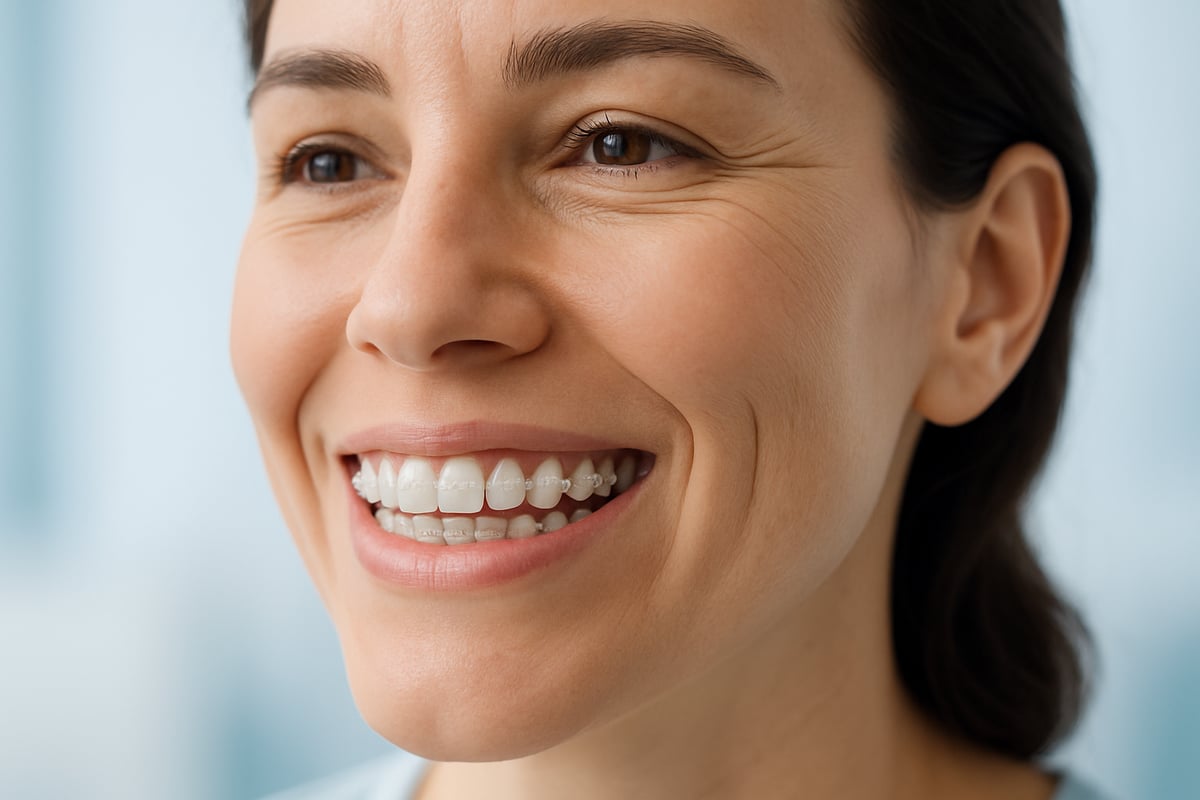
Understanding how clear orthodontic braces function gives you insight into the remarkable blend of science and technology behind your smile transformation. These braces use precise engineering and innovative materials to move teeth gently and efficiently.
Bracket and Wire Mechanics
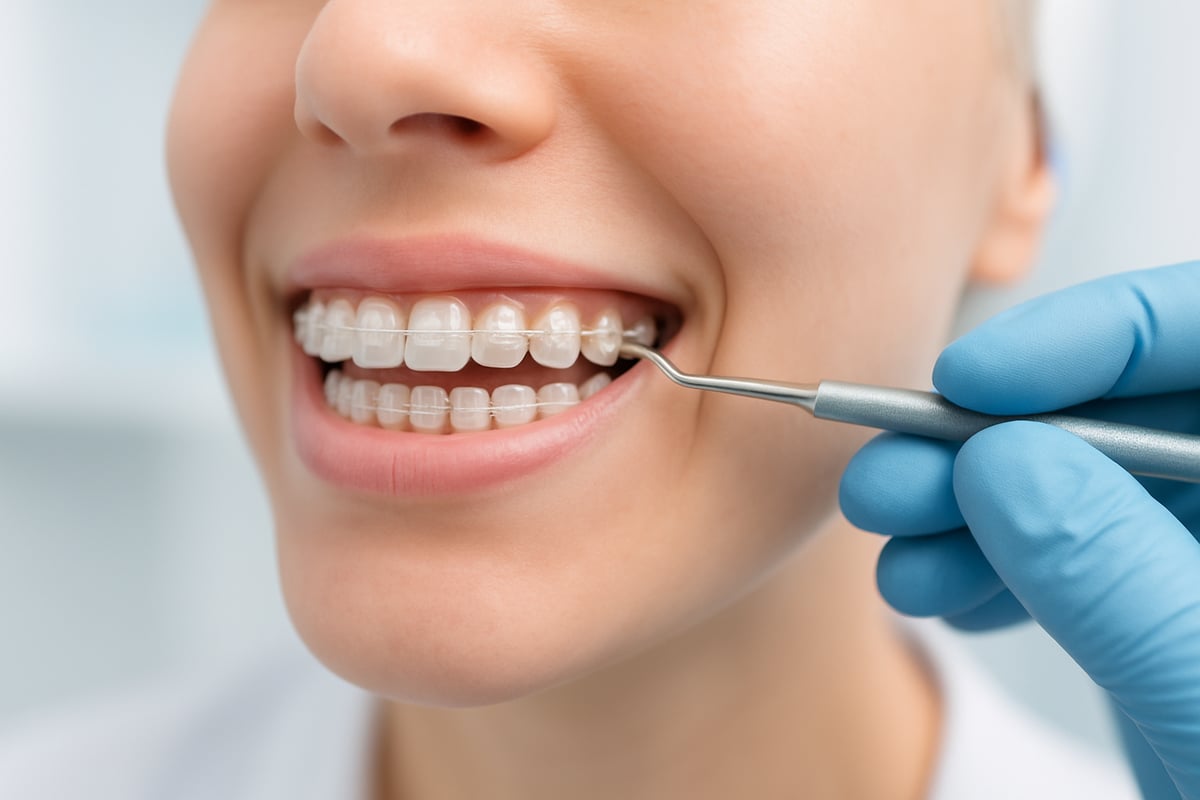
Clear orthodontic braces consist of three main components: brackets, archwires, and elastics. The brackets, attached to each tooth, are crafted from advanced materials such as ceramic, sapphire, or durable plastic. These materials offer a discreet look while maintaining strength and comfort.
Recent advancements include self-ligating clear brackets, which use a built-in clip rather than traditional elastics to hold the archwire. This design reduces friction and can make the treatment process smoother. Tooth-colored or clear archwires further enhance the natural appearance, blending seamlessly with the teeth.
A key innovation in 2025 is the use of 3D-printed, custom-fit brackets, which allow for a more tailored fit and precise tooth movement. For those interested in the latest custom solutions, LightForce Custom Clear Braces: Are They the Future of Orthodontics in 2025? explores how 3D printing is shaping orthodontic care.
To move teeth, clear orthodontic braces apply gentle, continuous pressure through the archwire, guiding each tooth into its ideal position over time. Studies confirm that ceramic brackets are as effective as metal ones for most cases, though plastic options may be less durable. However, not all patients are candidates, especially those with severe bite issues or complex movements.
Treatment Timeline and What Influences It
The average treatment duration with clear orthodontic braces typically ranges from 18 to 24 months. This timeline closely matches that of traditional metal braces, but several factors can alter the length of your orthodontic journey.
Age plays a role, as younger patients often experience faster results due to ongoing jaw growth. The complexity of your alignment needs, such as crowding or bite correction, also impacts treatment length. Consistent care and following your orthodontist’s instructions are essential for staying on track.
Technological advances are making a difference, too. Digital imaging and 3D modeling help create personalized treatment plans, ensuring optimal movement for each tooth. In 2025, AI-powered adjustments are reducing treatment times by 10-15 percent in many cases. This technology helps orthodontists identify the best timing for wire changes and adjustments, further streamlining the process.
Regular orthodontic visits remain critical to monitor progress and make necessary adjustments. While clear orthodontic braces are highly effective, their success depends on a combination of advanced technology, patient cooperation, and expert oversight.
Step-by-Step: Your Clear Braces Journey in 2025
Embarking on the journey to a straighter smile with clear orthodontic braces in 2025 is a well-structured process designed for comfort, precision, and clarity. Understanding each step helps set realistic expectations and ensures you get the most from your treatment.
Step 1: Initial Consultation and Evaluation
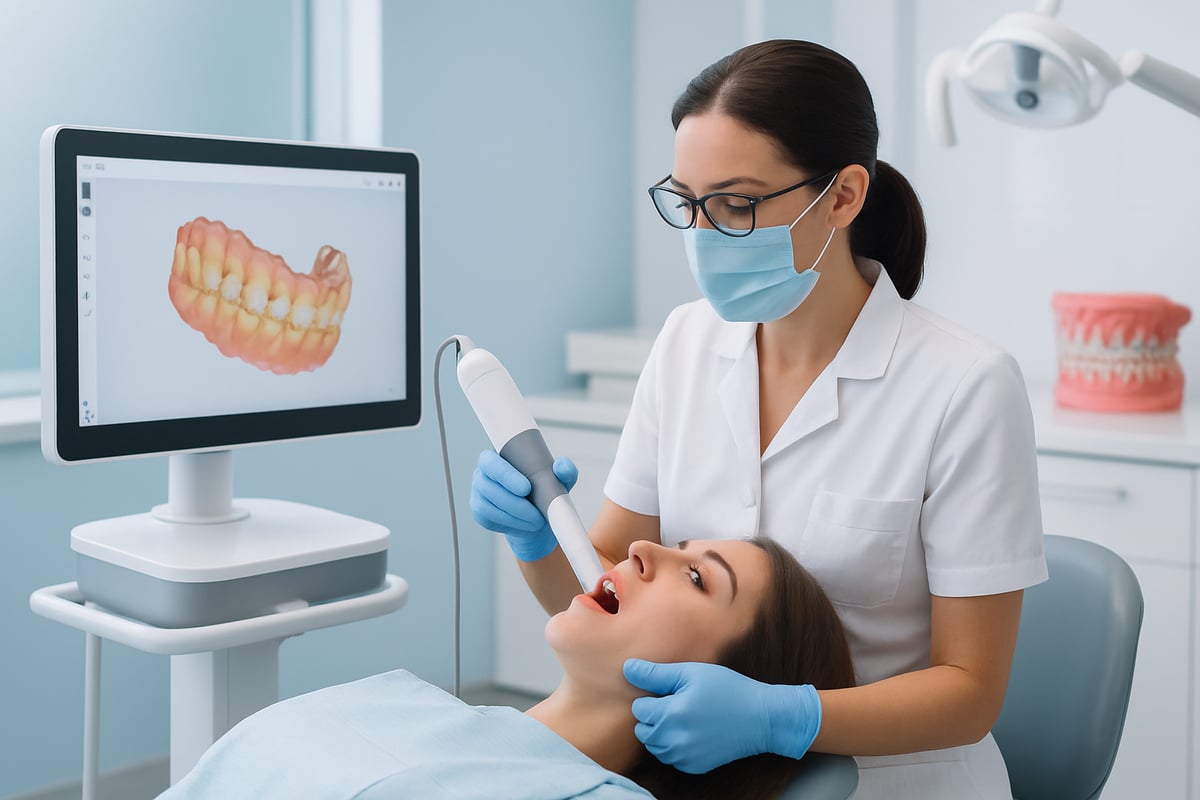
Your first step in the clear orthodontic braces journey is a comprehensive evaluation. The orthodontist performs a thorough dental assessment to check your oral health, bite, and alignment. Advanced digital scans, such as CBCT (Cone Beam CT) and 3D imaging, allow for highly detailed views of your teeth and jaw structure.
During this visit, you will discuss your goals, expectations, and preferences. Most clinics now offer virtual treatment simulations, so you can visualize your future smile before starting. In fact, 90% of orthodontists provide these simulations, making the process more interactive and transparent.
You will also explore different clear orthodontic braces options, including ceramic, sapphire, or hybrid brackets. If you are considering invisible or clear braces in your area, resources such as Invisible braces in Riverview can help you understand available choices and local expertise.
This step is essential for determining if clear orthodontic braces are the right solution for your alignment needs.
Step 2: Custom Treatment Planning
Once you are deemed suitable for clear orthodontic braces, the next phase is precise digital planning. Orthodontists use sophisticated 3D modeling software to design a treatment plan customized to your unique bite, alignment, and facial aesthetics.
Your digital scans are used to create a personalized blueprint for bracket placement. In 2025, many practices offer 3D-printed bracket customization, ensuring an exact fit for each tooth. This approach reduces discomfort and enhances the effectiveness of the clear orthodontic braces.
You will review your treatment plan, ask questions, and receive education about the expected timeline and outcomes. Patient engagement at this stage is crucial for building confidence and setting realistic expectations.
The orthodontist will also explain the materials used, such as advanced ceramics or polycrystalline brackets, and how they contribute to the discreet appearance and durability of clear orthodontic braces.
Step 3: Braces Placement Appointment
The placement appointment marks the start of your visible transformation. Your teeth are thoroughly cleaned and prepared to ensure optimal adhesion of the clear orthodontic braces. The orthodontist carefully bonds each bracket onto your teeth, using a strong yet gentle adhesive that minimizes irritation.
Tooth-colored or clear archwires are then threaded through the brackets, blending seamlessly with your natural teeth. You might feel mild pressure as the clear orthodontic braces begin their work, but discomfort is usually temporary.
Right after placement, you will receive instructions on managing initial soreness and maintaining oral hygiene. Most patients adapt quickly to the new sensation, finding the smaller and smoother brackets more comfortable than traditional options.
This appointment is a pivotal moment, as you take the first tangible step toward a straighter, healthier smile with clear orthodontic braces.
Step 4: Adjustments and Progress Monitoring
Throughout your treatment, regular check-ups every 6 to 8 weeks are essential for successful progress. During these visits, the orthodontist will check your clear orthodontic braces, change wires if needed, and ensure brackets remain secure.
In 2025, many practices utilize AI-powered monitoring and remote check-in apps, allowing you to track your progress from home. These digital tools provide feedback between visits, making the clear orthodontic braces experience more convenient and interactive.
If elastics are part of your treatment, your orthodontist will show you how to use them for optimal results. Ongoing monitoring helps catch any issues early, like loose brackets or wire irritation, so adjustments can be made promptly.
Consistent follow-up is key to achieving the predicted outcomes with clear orthodontic braces, and technology now makes it easier than ever to stay on track.
Step 5: Completion and Retention
Once your teeth have reached their ideal positions, the clear orthodontic braces are carefully removed. This debonding process is gentle and followed by a thorough cleaning to reveal your new smile.
The final step is retention, where you are fitted with a customized retainer. Options include removable clear retainers or fixed retainers bonded behind the teeth. Your orthodontist will guide you on proper use and care to maintain your results.
Digital reminders and tracking apps are widely used in 2025, boosting retainer compliance and helping you protect your investment. Studies show that retainer adherence rates have significantly improved thanks to these supportive tools.
Completing the journey with clear orthodontic braces brings both functional and aesthetic benefits, ensuring your confident smile lasts for years to come.
Pros and Cons of Clear Orthodontic Braces
Choosing clear orthodontic braces in 2025 involves weighing both the benefits and potential limitations. As technology advances, more patients are drawn to these discreet solutions, but understanding the full picture ensures realistic expectations.
Advantages of Clear Braces
Clear orthodontic braces have become highly popular for their ability to blend seamlessly with natural teeth. The brackets are made from advanced ceramics or polycrystalline materials, resulting in an almost invisible look. This makes them an excellent option for adults and teens who want effective results without drawing attention to their orthodontic treatment.
One major advantage is the comfort level. Thanks to smaller, smoother brackets and innovative bonding adhesives, irritation to lips and cheeks is minimized. Recent advancements, such as self-ligating brackets and 3D-printed customization, further improve comfort and efficiency. For a deeper look at these developments, see Innovations in Braces Brackets for Teeth: What’s New in 2025.
Unlike clear aligners, clear orthodontic braces are fixed, so there are no compliance concerns. Patients do not have to remember to wear or remove them, and the treatment is effective for a wide range of alignment issues. Recent surveys show 85% of users are satisfied with the aesthetic and comfort provided by clear orthodontic braces.
Another advantage is their effectiveness. Studies confirm that clear orthodontic braces can achieve results similar to traditional metal braces for most mild to moderate cases. The integration of AI-powered treatment planning has also led to more precise adjustments and potentially shorter treatment times.
Here is a quick comparison:
| Feature | Clear Orthodontic Braces | Metal Braces | Clear Aligners |
|---|---|---|---|
| Visibility | Very low | High | None |
| Comfort | High | Moderate | High |
| Effectiveness | High | Very high | Moderate |
| Compliance Needed | Low | Low | High |
Potential Drawbacks and Considerations
While clear orthodontic braces offer many benefits, there are some drawbacks to consider. The ceramic or hybrid materials, though durable, are more prone to staining from foods like coffee, curry, or red wine. This requires diligent oral hygiene and regular professional cleanings to maintain their discreet appearance.
The brackets are slightly larger than those found on metal braces. This can make cleaning around them more challenging, potentially increasing the risk of plaque buildup. Patients are encouraged to use interdental brushes and water flossers for optimal results.
There is also a slightly higher risk of bracket breakage with clear orthodontic braces. Data shows about 15% of users needed minor repairs during their treatment due to bracket fragility. While repairs are usually straightforward, they can extend treatment time and require additional appointments.
Costs are another consideration. Clear orthodontic braces typically cost more than metal options, though they are often more affordable than clear aligners. Insurance coverage varies, so patients should check their plans carefully.
Lastly, these braces may not be suitable for severe bite issues or complex movements. Orthodontists will evaluate each case to determine if clear orthodontic braces are the best fit for your needs.
Caring for Your Clear Braces: Maintenance, Hygiene, and Lifestyle Tips
Keeping your clear orthodontic braces clean and well-maintained is essential for achieving the best results. Proper care not only protects your investment but also promotes a healthy smile throughout your treatment. With a few daily habits and simple adjustments, you can ensure your braces remain discreet and effective.
Oral Hygiene Best Practices
Maintaining impeccable oral hygiene is crucial when wearing clear orthodontic braces. These braces can trap food particles and plaque, making thorough cleaning even more important. Brush after every meal using a soft-bristled toothbrush and fluoride toothpaste, ensuring you reach around brackets and wires.
Incorporate interdental brushes or a water flosser to clean between teeth and brackets. These tools are especially helpful for removing debris that standard brushing may miss. Fluoride rinses can strengthen enamel and protect against decay, supporting the longevity of your clear orthodontic braces.
For a comprehensive guide on cleaning techniques, consider reviewing Cleaning braces best practices, which offers detailed advice to keep your clear orthodontic braces spotless. Remember to replace your toothbrush every three months to maintain optimal cleaning power.
Diet and Lifestyle Adjustments
Your diet can significantly impact the appearance and durability of clear orthodontic braces. Avoid sticky foods like caramel or chewing gum, as well as hard items such as nuts or ice, which may damage brackets. Pigmented foods and drinks, including coffee, curry, and red wine, can stain the brackets and elastics, making them more visible.
To minimize staining, rinse your mouth with water after consuming colored foods or beverages. Schedule professional cleanings regularly to keep your smile bright. If you experience mild discomfort after adjustments, orthodontic wax and over-the-counter pain relief can provide comfort and prevent irritation from clear orthodontic braces.
Preventing and Addressing Common Issues
Even with careful maintenance, issues can arise with clear orthodontic braces. If a bracket or wire becomes loose, contact your orthodontist promptly for guidance. Avoid attempting repairs at home, as this may cause further damage.
Stained or broken elastics are a common concern. Replace them during your next appointment or sooner if they become highly visible. If you notice persistent discomfort or difficulty cleaning, discuss solutions with your orthodontist to prevent complications. Staying proactive ensures your clear orthodontic braces remain effective and discreet throughout your treatment.
Cost, Insurance, and Accessibility in 2025
Understanding the financial commitment for clear orthodontic braces is essential for anyone considering orthodontic treatment in 2025. With advancements in technology and growing demand, there are more options than ever to make this investment manageable and accessible.
Understanding the Investment
The cost of clear orthodontic braces in 2025 typically ranges from $4,000 to $7,500. This amount can vary based on your location, the complexity of your case, and the experience of your orthodontist. Compared to metal braces, clear orthodontic braces usually cost more due to the advanced materials and discreet appearance. However, they are often less expensive than clear aligners, which can exceed $8,000 for complex treatments.
| Treatment Type | Average Cost (2025) | Visibility | Typical Use Cases |
|---|---|---|---|
| Metal Braces | $3,000 – $6,000 | Highly visible | Most alignment issues |
| Clear Orthodontic Braces | $4,000 – $7,500 | Low visibility | Moderate complexity |
| Clear Aligners | $5,000 – $8,500 | Nearly invisible | Mild to moderate |
Several factors influence the total cost, such as the choice of materials, the use of AI-driven treatment planning, and the length of time you need to wear the braces. For a more detailed look at pricing and payment solutions, you can explore Braces cost and affordability options.
Insurance and Payment Options
Insurance coverage for clear orthodontic braces is improving in 2025, with more dental plans offering partial reimbursement for these treatments. While not every plan covers the full amount, many contribute between 25% and 50% of the total cost. Flexible Spending Accounts (FSAs) and Health Savings Accounts (HSAs) are valuable tools to help manage out-of-pocket expenses.
Most orthodontic offices now provide a range of payment plans to spread the cost of clear orthodontic braces over time, making the process far more accessible. In fact, about 65% of patients use some form of financing or third-party payment arrangement. Reviewing your insurance benefits and available payment options before starting treatment ensures you can focus on your smile, not just your budget.
Accessibility and Finding a Provider
Access to clear orthodontic braces is at an all-time high. More providers are trained in the latest techniques and materials, and the popularity of these discreet solutions has encouraged practices to invest in advanced technologies. It is essential to choose a board-certified orthodontist who specializes in clear orthodontic braces and stays current with ongoing innovations.
Virtual consultations are now widely available, allowing patients in rural or underserved areas to receive expert advice and ongoing care from their homes. Remote monitoring apps also support progress tracking, minimizing in-office visits while maintaining excellent outcomes. These advances make starting and completing treatment with clear orthodontic braces easier than ever.
Expert Tips for a Successful Clear Braces Experience
Embarking on the journey with clear orthodontic braces can be transformative, but success hinges on diligent care and smart strategies. Whether you are just starting or nearing the end of your treatment, following expert guidance will help you get the most from your investment and achieve a confident smile.
Maximizing Results and Comfort
Consistency is the cornerstone of effective clear orthodontic braces treatment. Brush and floss thoroughly after each meal, using tools like interdental brushes and water flossers to maintain cleanliness around brackets and wires. Regular dental check-ups and professional cleanings are essential for preventing issues such as staining or plaque buildup.
Attend every scheduled appointment, whether in-person or virtual, to ensure timely adjustments and monitor progress. Open communication with your orthodontist is vital. Report any discomfort or concerns promptly so they can be addressed before they impact your results.
Leverage digital tools and reminder apps to stay on track with hygiene routines and appointments. Many orthodontic practices now offer AI-driven progress tracking and virtual consultations, which streamline the experience and support better outcomes. According to The Future of Orthodontics: What’s New in 2025?, advancements in treatment planning and eco-friendly materials are enhancing both comfort and results for clear orthodontic braces users.
Stay motivated by documenting your transformation through photos at each milestone. Celebrate progress to keep your enthusiasm high throughout the process. Remember, the more dedicated you are to your clear orthodontic braces care, the smoother your journey will be.
Real Patient Insights and Success Stories
Many patients report that clear orthodontic braces have significantly improved their confidence and comfort during orthodontic treatment. Teens and adults alike appreciate the discreet appearance, which allows them to smile freely in social and professional settings.
Common challenges include adapting to new oral hygiene routines and avoiding foods that may stain or damage brackets. Some patients initially experience mild discomfort, but most find that this subsides within a few days after adjustments. Using orthodontic wax and over-the-counter pain relief can help manage temporary soreness.
Success stories often highlight the value of digital resources. Patients who used progress-tracking apps and participated in virtual check-ins with their orthodontist felt more engaged and informed. Many credit their positive outcomes to clear communication and a proactive approach to minor setbacks, such as loose brackets or lost elastics.
Orthodontists recommend setting realistic expectations and being patient with the process. Consistent effort, combined with expert support, ensures that clear orthodontic braces deliver the beautiful, lasting results you desire. Your dedication will shape not only your smile but also your overall treatment experience.
After learning about the latest advancements in clear orthodontic braces and what your treatment journey might look like in 2025, you may be wondering what the next step is for your smile. At Neighborhood Orthodontics, Dr. Ryan Ricafort and his team are dedicated to helping you achieve your goals with personalized, state of the art care tailored to your unique needs. If you’re curious about your options or ready to take the first step toward a more confident, healthy smile, you can easily Book a Free Consultation with us today. Let’s explore your possibilities together.
FAQ’s
Q: What new technologies are being used in clear orthodontic braces in 2025?
A: Advances include self-ligating bracket systems, tooth-colored archwires, and 3D-printed, custom-fit brackets that improve comfort, precision, and aesthetics.
Q: How do clear orthodontic braces move teeth?
A: They use brackets bonded to each tooth, connected by archwires that apply gentle, continuous pressure to guide tooth movement into proper alignment.
Q: How long does treatment with clear orthodontic braces typically take?
A: Treatment usually takes 18 to 24 months, depending on the patient’s age, case complexity, and consistency with orthodontic appointments and care.
Q: What are the main advantages and disadvantages of clear braces?
A: Advantages include a discreet appearance, comfort, and comparable performance to metal braces. Disadvantages include potential staining, higher cost, and a slightly higher risk of bracket breakage.
Q: What maintenance and lifestyle adjustments are needed with clear orthodontic braces?
A: Patients should brush after meals, use floss or a water flosser daily, and avoid hard, sticky, or staining foods like coffee, red wine, and curry to keep braces clean and clear.
Q: What is the cost and insurance coverage for clear braces in 2025?
A: Costs typically range from $4,000 to $7,500. Many dental insurance plans cover 25–50% of treatment costs, and most orthodontic offices offer payment plans.


